
Meet Your Fellow Members
We are pleased to introduce a new weekly spotlight on the incredible people who are members of CAMRT. Every Monday, we’ll introduce you to a different medical radiation technologist from somewhere across Canada through a short, five-question interview, sharing their story, their work, and what inspires them in the profession. Let’s connect, learn, and celebrate the diversity of MRTs from coast to coast! Our first interview is with Mihilan Sriranjan, (MRT(R))- General Radiography, CBMD.
Know someone we should highlight? Let us know at maiello@camrt.ca.
Can you describe your current role and area of practice within medical radiation technology?
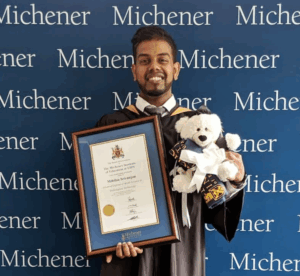
My name is Mihilan Sriranjan, and I am a Medical Radiation and Imaging Technologist specializing in General Radiography. After spending five years working in an independent clinic, I transitioned to a hospital setting to broaden my scope of practice, including operating room imaging, portable examinations, and fluoroscopy, as well as pain management procedures.
I began my career in a fast-paced clinic with on-demand imaging, which helped me build strong technical skills along with leadership, communication, and organization. I have also been involved in multiple inspections, including Accreditation Canada and CPSO, giving me a solid understanding of policies, procedures, and regulatory standards.
What originally led you to pursue a career as an MRT?
I have always loved photography and the process of capturing the perfect image. I enjoy focusing on the small details and working toward the best possible image quality. Over the years, my family encouraged this passion and often asked me to take photos, selfies, and portraits, which made me realize how meaningful it felt to create something others could value.
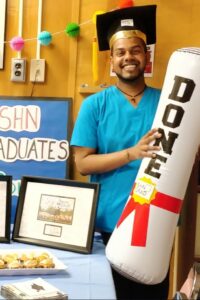
A strong influence in my journey was my Amma, aka my mom. She recognized both my love for imaging and my desire to help people and gently suggested I consider a career that brought the two together. Her encouragement made me reflect on how I could use my skills in a more purposeful way. After learning more about Medical Radiation and Imaging Technology, I realized it allowed me to create images with real impact—images that support diagnosis, care, and comfort for patients—which ultimately led me to pursue this career.
Can you tell us about a typical day in your department?
A typical day in my department starts with prioritizing and clearing emergency cases to support timely patient care. I review the operating room schedule and communicate with the OR team to anticipate workflow demands throughout the shift. I also follow up on outstanding portable exams by coordinating with inpatient units to confirm patient readiness. Clear communication with colleagues and other interprofessional team members is essential to meeting diagnostic imaging needs and ensuring high-quality patient care. At UHN, day shifts are divided by clinical areas, and each shift begins by organizing exams by priority and ensuring all images meet diagnostic standards.
What is your favourite part of the job?
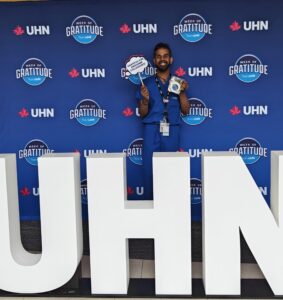
My favourite part of the job is the variety—no two days are the same. I work with a diverse patient population across multiple settings, including ambulatory, inpatient, outpatient, pediatric, geriatric, and rehabilitation care, which keeps the role dynamic and engaging. I value the opportunity to interact with patients by creating a warm, positive experience during what can be a difficult time. I also enjoy continuous learning and growth through educational rounds and webinars, which reinforce my commitment to excellence. Overall, the constant change and drive to deliver high-quality imaging ensure there is never a dull moment.
Do you have any advice for new or practising MRTs?
My advice for new or practising MRTs is to always strive for success while recognizing that mistakes are part of the learning process—what matters is addressing them, learning from them, and moving forward. The reality of clinical practice often differs from what is taught in school, so it is important to apply your knowledge, skills, and professional judgment to provide patient-centred care. Prioritizing and organizing workflow, managing stress through planning, and communicating clearly with colleagues can make a significant difference in daily practice. Taking care of yourself through proper rest, hydration, supportive footwear, and healthy habits is equally important. Lastly, never hesitate to ask questions, continue learning, and enjoy the rewarding field of medical imaging.